Travelogue :: From Carrizozo to Roswell
The segment from Carrizozo to Roswell spans 105 miles (169 kilometers) along US 380, passing through the varied landscapes of Lincoln County in southern New Mexico. This journey offers a mix of geological diversity, notable cultural landmarks, and practical amenities that appeal to experienced cyclists.
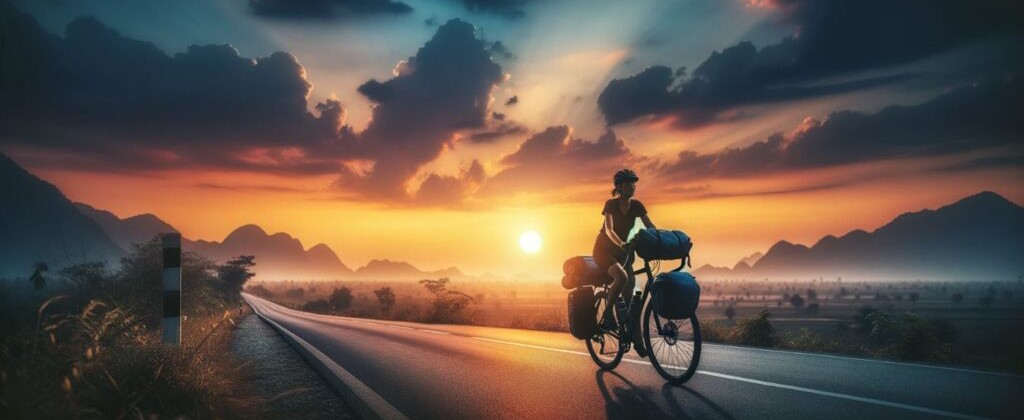
From Carrizozo to Roswell
105 miles - Cumulative Miles: 158
Route: US 380
County: Lincoln / County Seat: Carrizozo
The segment from Carrizozo to Roswell spans 105 miles (169 kilometers) along US 380, passing through the varied landscapes of Lincoln County in southern New Mexico. This journey offers a mix of geological diversity, notable cultural landmarks, and practical amenities that appeal to experienced cyclists.
Terrain and Topography
Starting in Carrizozo, cyclists will encounter rolling hills and expansive rangeland, which gradually transition into more rugged terrain as the Capitan Mountains rise to the northwest. This section of the journey is marked by a steady but manageable elevation gain, offering views of striking mountain peaks and volcanic formations. As you continue eastward, the landscape flattens significantly, leading into the vast Llano Estacado, a high plateau that stretches into eastern New Mexico and Texas.
Geology and Soil Composition
The region's geology is shaped by both volcanic and sedimentary processes. Near Carrizozo, the Valley of Fires is a prominent geological feature, characterized by a large lava flow that occurred thousands of years ago. This volcanic landscape contributes to the area's sandy loam soil, which contains a mix of volcanic ash and weathered rock fragments. As you approach Roswell, the soil becomes more alkaline, a reflection of the region's high plains geology. These plains are underlain by caliche, a hard layer of sedimentary rock that is common in arid environments.
Cultural Landmarks and Local Attractions
Cyclists passing through this route will encounter notable landmarks that reflect the local history and culture. Carrizozo, a former railroad town, offers cultural insight with its historical buildings and small galleries, including the Carrizozo Heritage Museum. As you approach Roswell, the famed International UFO Museum and Research Center is an iconic attraction, delving into the town's association with the 1947 UFO incident. This quirky museum is a major draw for visitors interested in extraterrestrial lore.
Nearby Parks and Recreational Opportunities
Along the way, the Valley of Fires Recreation Area offers opportunities for camping and exploration. This park provides restrooms, picnic areas, and trails that allow for an up-close experience with the expansive lava flow. Near Roswell, cyclists can enjoy the Bitter Lake National Wildlife Refuge, which features a series of wetlands that support diverse wildlife, including migratory birds and amphibians. The refuge is a peaceful stop for nature lovers, offering scenic trails and opportunities for birdwatching.
Flora and Fauna
The vegetation along US 380 varies with elevation and soil type. In the higher elevations near the Capitan Mountains, you'll encounter piñon pines, juniper, and patches of forest, while the surrounding rangeland is dominated by grasses and hardy desert plants like yucca and creosote bush. As the terrain flattens and becomes more arid near Roswell, vegetation shifts to drought-resistant species. Wildlife in the area includes deer, coyotes, and a wide variety of bird species, particularly in the wetlands of Bitter Lake.
Rest Stops and Libraries
US 380 provides wide shoulders, making it a safe and comfortable route for cyclists. While facilities are sparse in some sections, both Carrizozo and Roswell offer amenities. The Roswell Public Library is a convenient stop for cyclists, providing Wi-Fi and a quiet place to rest. Public parks such as Spring River Park and Zoo offer additional places to relax and recharge in Roswell.
Cycling Conditions
The road along US 380 is well-maintained, with relatively low traffic volumes for much of the route, making it suitable for long-distance cyclists. The transition from rolling hills to flat plains provides a variety of cycling experiences, from moderate climbs to long, flat stretches perfect for covering distance efficiently. The road's wide shoulders and smooth pavement make it an ideal route for cyclists seeking both challenge and comfort.