The Kurdish People: History, Challenges, and Contemporary Significance
An exploration of the Kurdish people's history, including their origins, genocide, current population, major settlements, and significant leaders, highlighting their ongoing quest for recognition and autonomy.
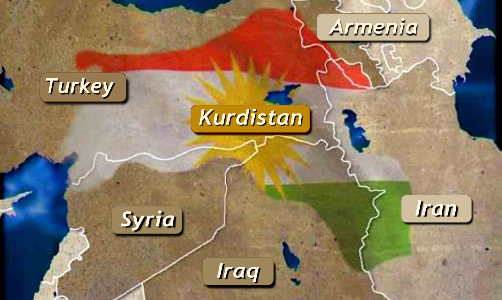
The Kurds are an ethnic group primarily located in the Middle East, with a rich history that has shaped their identity and aspirations. Historically, the Kurdish people inhabited a region known as Kurdistan, which spans parts of modern-day Turkey, Iraq, Iran, and Syria. The origins of the Kurds are complex, with linguistic, cultural, and historical roots that intertwine with various empires throughout history. The emergence of the Kurdish identity can be traced back to ancient times, with connections to the Medes, who played a significant role in the formation of the Median Empire in the 7th century BCE. This ancient legacy contributes to the Kurdish claim of a distinct national identity and homeland.
In contemporary times, the Kurds have faced numerous challenges, including persecution and attempts at genocide. The most notable instance occurred during the late 20th century when Saddam Hussein's regime targeted Kurdish populations in Iraq, leading to widespread atrocities and displacement. The Anfal campaign in the late 1980s resulted in the deaths of tens of thousands of Kurds and is recognized as a genocide. In addition to external threats, internal divisions among different Kurdish groups and clans have also led to infighting, complicating their political landscape and aspirations for autonomy.
The current population of Kurds is estimated to be around 30 to 40 million, making them one of the largest ethnic groups without a state. Major settlements can be found in regions like Erbil, Sulaymaniyah, and Dohuk in Iraq; Diyarbakır in Turkey; and Qamishli in Syria. The Kurdish people have established a degree of autonomy in the Kurdistan Region of Iraq, where they have their own government and military forces, known as the Peshmerga.
Significant modern leaders among the Kurds include Masoud Barzani and Nechirvan Barzani, prominent figures in the Kurdistan Democratic Party (KDP), and Jalal Talabani, the founder of the Patriotic Union of Kurdistan (PUK). In Syria, figures like Salih Muslim have played critical roles in the Kurdish-led Autonomous Administration of North and East Syria (AANES), which emerged during the Syrian civil war. These leaders have been pivotal in advocating for Kurdish rights and autonomy amid the changing political landscape of the Middle East.
In recent years, the Kurds have gained international attention for their role in the fight against ISIS, particularly in Syria and Iraq. Their military successes against the extremist group have garnered support from Western nations, leading to increased visibility and political leverage. However, the Kurds continue to navigate a complex geopolitical landscape, facing challenges from regional powers such as Turkey, Iran, and Syria, which view Kurdish aspirations for autonomy as a threat to their own territorial integrity.
The Kurdish struggle for recognition and rights remains ongoing, with aspirations for a united Kurdish entity often tempered by the realities of regional politics. The Kurdish people continue to seek greater autonomy, cultural rights, and political representation, striving for a future where their identity and heritage are fully acknowledged.