A Journey of Solitude: Bikepacking Through Forgotten Spaces
The transformative experience of long-distance bikepacking across urban and rural landscapes in the USA, the physical and spiritual freedom gained from traversing abandoned spaces, the balance between isolation and human connection, the evolving relationship with possessions, and the broader societal shifts seen along the journey for a deeper understanding of time, resilience, and the small comforts that ground us in an ever-changing world.
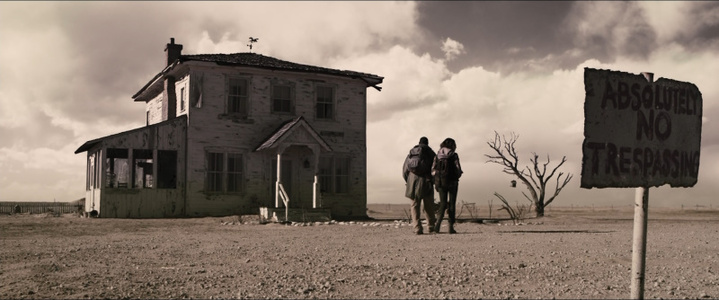
Urban and rural exploration taps into the broader human desire to seek out freedom in unexpected places. The bikepacker crossing the USA experiences this on a profound level, encountering structures once filled with life, now left in silence. These abandoned spaces offer shelter while serving as a reminder of the passage of time and human resilience. Each of these places invites reflection on the fragility of permanence. The more one explores, the more these spaces reveal, not just in their physical form, but in their connection to history and forgotten lives.
As the bikepacker rolls forward along the open road, they encounter isolation and community in equal measure. Isolation allows for a deeper connection with the land, sharpening focus on the essentials: food, water, shelter, and rest. At the same time, the occasional interaction with a stranger or a small town provides unexpected warmth and human connection, reinforcing the idea that even in remote places, we are never truly alone. Each stop becomes a meditation on balance, how much solitude feeds the soul, and how much human connection nourishes the spirit.
Freedom on the road also brings into question our relationship with possessions and comforts. With every mile the bikepacker sheds unnecessary attachments, realising that most all of life’s luxuries are optional. The body adapts to the bare minimum, yet the mind occasionally craves a small comfort, a hot bath, an easy chair, or a warm meal. Such comforts, while simple, become treasures along the way. They ground the adventurer in a physical reality that complements the spiritual liberation experienced while on the open road.
The long-distance bicycle journey brings an awareness to larger societal changes. The sight of abandoned towns and empty buildings tells a story of economic shifts, urban migration, and changing industries. Once-thriving places can serve as significant landmarks along the bikepacker’s journey. They symbolise a wider movement of people away from rural areas, seeking prosperity in different forms. The emptiness reflects both loss and the potential for renewal. It asks the traveler to consider how modern societies evolve, and what gets left behind in the process and why.
The concept of time shifts when measured by miles traveled instead of hours. On a bikepacking journey, time stretches and bends with the landscape, allowing each moment to be experienced fully. There is no rush, no schedule that must be kept, no place special to be but the here and now. Every mile presents the opportunity for reflection. This recalibration of time teaches patience and mindfulness, essential qualities for both the road ahead and the journey within.
The bikepacker moves with the rhythm of the journey, finding shelter in the spaces that others leave forgotten. The open road provides freedom, and along the way abandoned places offer shelter and rest. Hotels, motels, restaurants, homes, and businesses, once occupied and now vacant stand empty. Many continue to have a sense of hospitality, some with an open passageway to the inside for those who know where to look. The bikepacker enters without disturbance, respecting the space, making use of what has been abandoned and left behind.
Graffiti marks the outer and inner walls of many of such spaces, and from a distance, offering a way to navigate. For the bikepacker, these marks act as a guide, displaying openess and availability from afar. Graffiti may repel most people, but it serves as a clear signal from others, a trail marking left behind for the traveler to follow and explore. These signs provide insight into the space and reassure the traveler that this is a place few care to venture. The markings, like the spaces themselves, become part of the greater unnoticed landscape to those passing by.
Moving quietly and blending in with the surroundings is essential for the bikepacker. Neutral clothing and minimal equipment allows the bikepacker move about while remaining unnoticed. Every movement is intentional, focused, with an aim toward making the most of the sheltered environment. Some places may still have working amenities, like water or electricity as part of the experience.
Timing plays a role in the bikepacker’s approach. Circling the perimeter at dawn or dusk, and spotting features in advance increases the chance for a smooth unnoticed entry. The bikepacker enters through open entrances left behind, often along hidden paths, always mindful to respect the space no matter the condition. Each location offers a different experience, evoking different thoughts of memories left behind. The bikepacker moves about with clear intent, always advancing cautiously.
Encounters with others are rare and sometimes welcomed. When they happen, the bikepacker holds a friendly demeanor, offering a calm and clear explanation of situation and purpose. An interest in history, photography or architecture is often simple enough, a place to rest or refuge from the storm. Far and few between, unexpected encounters are part of the adventure.
Abandoned places are full of history. They hold beauty and stories within their walls. For the bikepacker, they can offer a place of rest and refuge, a different kind of comfort and adventure. Each location, every hidden entrance, every step forward becomes a part of the experience of the open road.