Opportunities and Benefits of a Free Market System Over Central Banking
the advantages of a decentralized free market system, as seen in early U.S. history, compared to the modern central banking system under the Federal Reserve. Discover how free markets promote economic growth, innovation, and fairness.
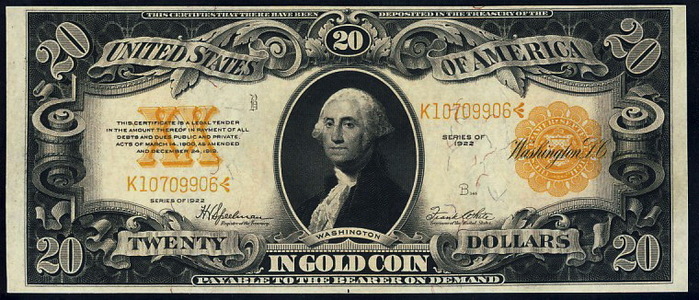
The concept of a free market system has long been revered as a cornerstone of economic liberty and prosperity, especially during the early stages of the United States' development when decentralized banking systems prevailed. In contrast to today’s politically manipulated system under the Federal Reserve, a truly free market promotes natural economic equilibrium by allowing supply and demand to set prices, allocate resources, and determine interest rates.
The opportunities and benefits of such a system are far-reaching, offering individuals more freedom, fostering innovation, and maintaining a healthier and more stable economy. However, over time, the United States has transitioned from this decentralized, free-market ideal into a centrally controlled system under the Federal Reserve, which has introduced distortions that favor the few at the expense of the many. The free market's potential remains a beacon for those who recognize its historical benefits and its promise for a more equitable future.
In the early years of the United States, a decentralized banking system allowed local banks to serve their communities with relatively little interference from the federal government. This meant that currency was often backed by tangible assets, such as gold and silver, and credit was extended based on the actual supply of these assets. Economic growth was organic, driven by the real needs of individuals and businesses.
The prices of goods, services, and labor were determined by the forces of competition and demand, without the distortion of artificially manipulated interest rates or inflation. A carpenter, for example, could depend on the value of his labor to remain consistent over time, as there was no central authority debasing the currency or inflating its value. Similarly, savers could rely on the purchasing power of their hard-earned money, knowing that it was tied to tangible assets rather than fluctuating government policies.
The benefits of this system were evident in the steady economic growth and rising standards of living seen throughout the 19th century. While not without its challenges, this decentralized system encouraged innovation, as entrepreneurs were free to take risks, compete, and improve their products without the heavy hand of government intervention. Banking institutions operated on a level playing field, where failure was a natural consequence of poor management, and success was rewarded with greater trust from depositors. In this environment, the economy functioned as an extension of individual effort and enterprise. Each participant in the market had a clear understanding of the rules, and there was a natural alignment between risk and reward.
However, the creation of the Federal Reserve in 1913 marked a turning point in the United States' economic structure. Its introduction was intended to stabilize the economy and prevent banking panics, but it quickly morphed into a tool for central control over the money supply.
The Federal Reserve introduced a fiat currency system, where money was no longer backed by gold or silver but rather by the government's promise. This change allowed the federal government to expand its spending without the natural constraints of a gold-backed currency. In turn, it fueled inflation and reduced the value of savings over time, benefiting those closest to the source of new money—such as large financial institutions and corporations—while the average worker and saver saw the value of their earnings eroded.
The Federal Reserve’s manipulation of interest rates has also distorted the natural balance between supply and demand. When interest rates are set artificially low, as they often have been, it encourages borrowing and speculative investment. While this may create the illusion of prosperity in the short term, it often leads to bubbles in the housing, stock, and bond markets, which inevitably collapse and cause widespread economic pain. A free market system, in contrast, would allow interest rates to be determined by the actual supply of savings and demand for credit, ensuring that investment is sustainable and in line with real economic growth. This would prevent the reckless speculation and malinvestment that has plagued the economy under the Fed's control.
One of the most significant consequences of the current system is the widening gap between the wealthy and the rest of society. The Federal Reserve’s policies, particularly its aggressive money printing, have led to asset inflation, disproportionately benefiting those who own stocks, bonds, and real estate. Meanwhile, wages for the average worker have stagnated, and the cost of living has risen, creating a society where wealth is increasingly concentrated in the hands of a financial elite. This is in stark contrast to the more equitable distribution of wealth seen in a free-market system, where wealth is earned through productive labor, entrepreneurship, and competition rather than financial speculation or government-backed privileges.
Furthermore, a free-market system offers a natural check on government power. In the absence of a central bank, governments would be forced to live within their means, as they would not have the ability to finance deficits through money creation. This would lead to more responsible fiscal policies, as politicians would need to raise taxes or cut spending to fund their programs—both of which are politically unpopular. A return to a decentralized, gold-backed system would remove the government's ability to inflate away its debts and would restore the purchasing power of the currency, ensuring that savings retain their value over time.
Critics of the free market often argue that such a system would be prone to instability and crises, but history suggests otherwise. The major financial crises of the 20th and 21st centuries, including the Great Depression and the 2008 financial meltdown, occurred under a centrally planned system of central banking, not in a free market. These crises were caused by the very interventions that were supposed to prevent them—excessive money creation, artificially low interest rates, and the moral hazard created by the belief that the government would always bail out failing institutions. In a free-market system, such distortions would not exist. Banks and businesses would rise and fall based on their ability to meet the needs of their customers, and market corrections, while painful, would be swift and efficient, leading to a healthier and more stable economy in the long run.
The opportunities and benefits of a true free-market system are clear. It allows for natural economic growth, encourages innovation and competition, and promotes a more equitable distribution of wealth. It offers individuals the freedom to succeed or fail based on their efforts and the security of knowing that their savings will retain value over time. While the transition from the current system to a free-market one would be challenging, the long-term benefits far outweigh the short-term disruptions. In contrast, the central banking system we have today has led to unsustainable levels of debt, wealth inequality, and economic instability. Returning to the principles of free-market economics would not only restore economic freedom but also create a more just and prosperous society.