Weaponised Distrust and Strategic Incompetence
An analysis of how faking inability and sowing institutional doubt function as tools for avoiding responsibility and consolidating systemic power.
Weaponised distrust is a strategic application of doubt used to control social outcomes and group expectations. This method works by intentionally breaking the common trust that is needed for collaborative systems to function well. In personal environments, this often manifests as strategic incompetence. An individual simulates an inability to perform a task to shift the burden of responsibility onto others. By appearing inept, the person evades duty while keeping the benefits of the group. The main goal is to reduce personal effort at the expense of others. This behaviour creates a structural friction that leads to resentment. It eventually breaks the bond of a relationship.
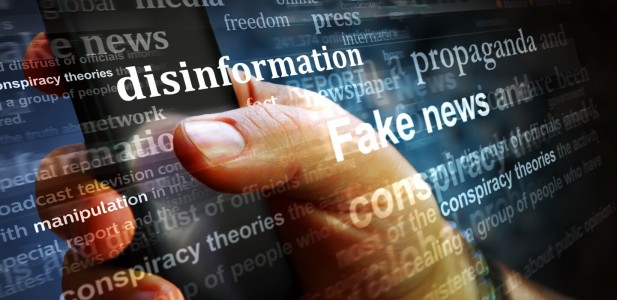
The move from personal life to politics shows a pattern of power control. Within society, elites may deliberately undermine faith in established systems such as government or science. This erosion of trust is not a mistake. It serves as a primary tool for victory. By creating a climate of doubt, actors can insulate themselves from public judgment. They frequently redirect attention toward identity-based conflicts. The loss of trust makes it hard for people to act together. This allows small groups to exert disproportionate influence. Finding the truth becomes a difficult challenge in this environment.
Strategic incompetence in a professional or domestic context relies on the mastery of low expectations. When a person often fails to meet a base level of performance, the system around them stops asking for help. This change is often permanent. The risk of giving tasks to an incompetent actor outweighs the cost of doing the work for them. This creates a parasitic relationship where one person provides the infrastructure while the other exploits its weaknesses. The stability of the system is hurt because the hard workers face too much pressure. This eventually leads to institutional burnout or the total end of the group.
The political use of doubt acts as a defensive barrier against accountability. If the public perceives all groups as inherently corrupt, then any specific accusation loses its impact. This doubt acts as a way to hide from facts and logic. In this world, the truth is treated as a partisan asset. It is no longer a shared rule. The goal of this strategy is to create a state of high-frequency cognitive exhaustion among the population. When individuals face conflicting and unverified reports, they often retreat into tribal narratives. These narratives offer psychological safety at the direct cost of structural clarity.
Addressing the impact of weaponised distrust requires a focus on the restoration of objective benchmarks. In personal relationships, the clear definition of roles and the enforcement of shared standards are the primary defences. Success follows the refusal to absorb the labor of those who simulate inability. In the political realm, the strengthening of institutional transparency and the protection of independent oversight are vital for resisting strategic doubt. A system is most resilient when its participants are held to a consistent standard of performance. Transparency acts as a disinfectant against the strategic use of suspicion for partisan or personal gain.
The long-term consequences of these behaviours are the fragmentation of social cohesion and the loss of institutional efficiency. Systems that tolerate weaponised distrust eventually become brittle and prone to failure. The continuous exploitation of doubt leads to a society where the cost of verification exceeds the value of communication. This state of high-entropy social discourse benefits only those who thrive in chaos. Maintaining a robust and functional population depends on the continuous cultivation of individual responsibility and institutional merit. The refusal to participate in the performance of incompetence is a necessary act of systemic preservation.
The study of weaponised distrust offers a window into the mechanics of contemporary power management. By recognising the tactical use of doubt, individuals can better protect their personal and civic interfaces. The wilderness of modern misinformation requires a compass calibrated to structural reality and functional output. Agency begins with the identification of these manipulative patterns. The goal of a healthy society is the creation of a stable frame where trust is earned through competence. It is not something to be demanded through authority. Strengthening the links between action and consequence is the most effective way to neutralise the strategic exploitation of doubt.