Reclaiming the Streets: Overcoming Car-Centric Urban Sprawl
A critical look at the infrastructural and cultural barriers preventing the adoption of utility cycling in American cities.
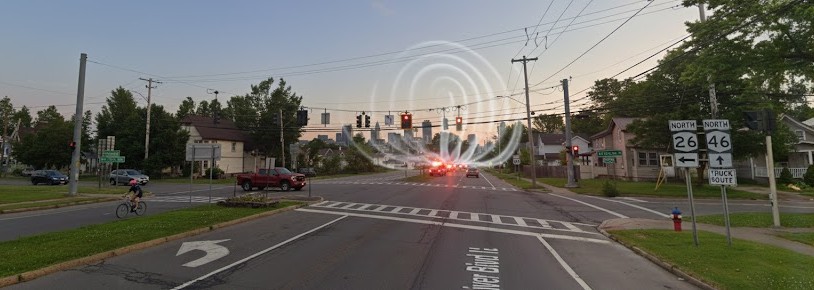
Bicycle commuting faces massive barriers in cities. Without bike lanes or locked parking, workers find travel hard. Discussing this, planners observe that sharing narrow streets with car traffic always scares new riders. By ignoring bike lanes, city projects push travelers toward cars. Daily riders struggle to find good travel choices because transit deficits persist.
Post-war development trends locked in high-speed roads. For decades, local rules favored car traffic over public bike paths. Due to this car focus, rebuilding older roads for bikes always requires costly municipal road work. By favoring cars for years, cities built barriers to cycling. Workers face long daily commutes because policies ignored bikes.
Global lists show that European towns lead in bike use. In Copenhagen, separate paths keep riders away from cars. Reviewing global lists, researchers show how dedicated local budgets build utility cycling networks for riders. By building path barriers, leaders reduce road accidents. Residents choose clean travel options because infrastructure changes public habits.
Driver actions often create hazards for riders on bikes. On busy lanes, fast cars make commuting feel dangerous. Discussing these issues, researchers report that poor road layout increases driver errors toward riders. By creating separate paths, towns protect travelers from traffic. Cities must rebuild shared roads because separation protects human lives.
Weather and distance also impact daily transport decisions. During winter snow or summer heat, workers avoid long cycling trips. Studying these weather trends, planners recognize that lack of workplace showers stops people from riding. By installing changing rooms, office buildings support healthy travel habits. Employers should provide locker rooms because facilities change commuter choices.
Utility cycling brings clear gains to town business. In busy cities, utility travel reduces carbon output and fuel costs. Reviewing global costs, writers show how bike spending reduces health bills for riders across cities. By supporting multi-modal travel, local projects clear road congestion. Ridership grows rapidly across town because planning creates viable choices.